Introduction: Why Adaptive Eyewear Is Changing the Game
For athletes, outdoor enthusiasts, and anyone who spends long hours under open skies, changing light conditions are more than just an inconvenience, they can be a performance killer. Imagine cycling through a forest trail where sunbeams break through the canopy, only to ride into dense shade seconds later. Or picture a runner starting a morning session under cloudy skies that suddenly turn into a blazing midday sun. Without the right eyewear, your eyes are constantly working overtime to adapt, leading to glare, squinting, and even long-term eye strain.
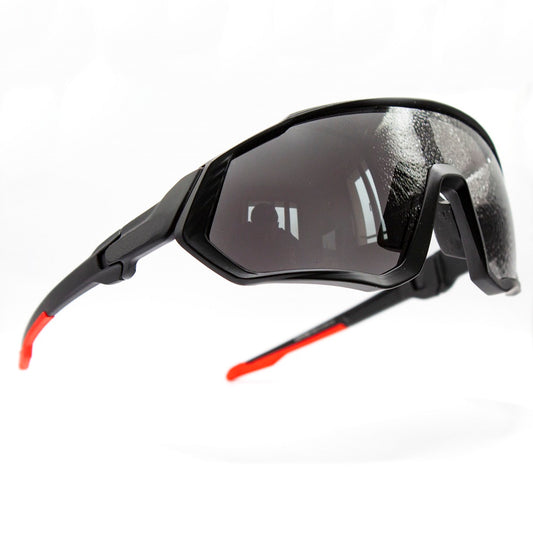
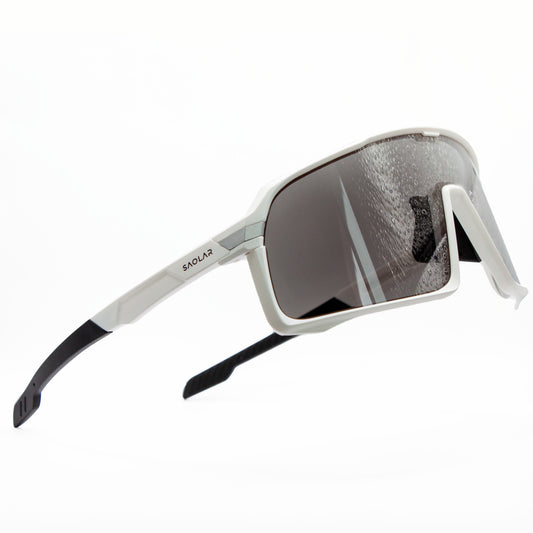
This is where photochromic sunglasses come in, a game-changing innovation for those who demand peak performance in all environments. These adaptive sports sunglasses feature lenses that automatically adjust their tint based on the intensity of UV light. In bright sun, they darken to protect your vision and reduce glare. In overcast or shaded areas, they lighten to keep your view sharp and clear. The result? A seamless visual experience that keeps you focused on your pace, your surroundings, and your performance.
Beyond convenience, UV protection eyewear is a necessity for anyone serious about eye health. Extended exposure to UVA and UVB rays has been linked to cataracts, macular degeneration, and other vision issues. With SAOLAR’s photochromic technology, athletes enjoy 100% UVA/UVB protection while also benefiting from premium lens clarity and durability.
SAOLAR has built its reputation as a leader in high-performance adaptive sports sunglasses, combining advanced photochromic lens technology with aerodynamic designs tailored for cycling, running, skiing, and more. Their frames are engineered for comfort during long sessions, while the lenses are crafted from top-tier materials that balance strength, lightness, and optical precision. If you’re curious about how lens materials can influence performance, SAOLAR’s Best Materials for Sports Eyewear – Choosing the Right Frames and Lenses article offers an in-depth look at the science behind great sports eyewear.
With SAOLAR, you’re not just buying sunglasses, you’re investing in a piece of performance gear that adapts as fast as you move.
What Are Photochromic Sunglasses?
If you’ve ever heard the term what are photochromic lenses and wondered what makes them different from standard sunglasses, the answer lies in their ability to adapt to changing light conditions automatically. At their core, photochromic sports eyewear is designed to give you the perfect level of tint no matter where your adventure takes you, whether it’s a bright mountain pass, a shaded forest trail, or a cloud-covered coastal ride.
Often referred to as transition sunglasses, these lenses contain special light-reactive molecules embedded directly into the lens material. When exposed to ultraviolet (UV) light, the kind found in sunlight, these molecules undergo a chemical change that causes the lens to darken. The stronger the UV exposure, the darker the tint becomes, helping to reduce glare and protect your eyes from harmful rays.
When UV light decreases, such as when you move indoors, into shade, or when the sun dips behind clouds, the molecules slowly revert to their original state. This process lightens the lens, restoring maximum clarity without you needing to change glasses or swap lenses. The transition is quick, seamless, and virtually effortless for the wearer.
The benefits go beyond convenience. By reducing sudden brightness changes, photochromic sports eyewear minimizes eye strain and keeps your vision consistent, which is essential for athletes who need to react instantly to their environment. Imagine cycling downhill at high speed, your eyes can’t afford a second of adjustment delay when moving from sunlight to shadow.
To truly understand how lens construction impacts this adaptability, it’s worth exploring SAOLAR’s expert guide: Best Materials for Sports Eyewear – Choosing the Right Frames and Lenses. It explains how the right materials work hand-in-hand with photochromic technology to deliver lightweight durability and crystal-clear vision, two hallmarks of high-performance transition sunglasses.
In short, photochromic lenses are more than just tinted eyewear, they are intelligent visual companions designed to adapt as fast as you do.
How Photochromic Lenses Work: The Science Behind the Tint
Understanding how do photochromic sunglasses work begins with the science hidden inside the lens. Unlike regular sunglasses, which have a fixed tint, light-adaptive lenses use specialized molecules, often silver halide or organic photochromic compounds, that physically change structure when exposed to ultraviolet (UV) light. This reaction alters the way the lens absorbs and transmits light, creating a darker tint in bright conditions and a lighter, nearly clear state in low light.
Step 1: UV Exposure Triggers the Change
When you step into sunlight, UV rays penetrate the lens material. This exposure excites the embedded molecules, causing them to shift into a new configuration that absorbs more visible light. This darkens the lens, reducing glare and improving visual comfort.
Step 2: Adaptation to Light Intensity
The darkening process adjusts dynamically based on UV strength. On a blazing summer day, the lenses will reach their maximum tint; on a mildly overcast day, they’ll remain only partially dark. This adaptability ensures that sports sunglasses technology keeps your eyes comfortable and protected without you lifting a finger.
Step 3: Returning to Clarity
Once UV exposure decreases, such as moving into shade, entering a tunnel while cycling, or finishing a ski run under cloud cover, the molecules gradually revert to their original shape. The tint fades, allowing more light to pass through and giving you crystal-clear vision.
For outdoor athletes, this process is invaluable. Cyclists avoid dangerous moments of visual adjustment when emerging from wooded trails into open sun. Runners can move from dawn shadows to full daylight without losing focus. Skiers benefit from enhanced visibility as light conditions shift with the terrain.
To maximize the efficiency of light-adaptive lenses, lens quality is critical. SAOLAR’s Best Materials for Sports Eyewear – Choosing the Right Frames and Lenses explains how premium materials ensure faster transitions, sharper optics, and the durability needed for extreme conditions.
In essence, how do photochromic sunglasses work can be summed up as a fusion of chemistry and engineering, a smart lens system that adjusts as quickly as your sport demands.
Key Benefits of Photochromic Sunglasses for Athletes
For athletes who train and compete outdoors, the benefits of photochromic lenses go far beyond simple style. These advanced lenses are built to adapt, protect, and enhance vision in ways that fixed-tint sunglasses simply can’t match. Whether you’re sprinting under a blazing sun, riding into a shaded trail, or skiing across a reflective snowfield, sports sunglasses with UV protection like SAOLAR’s photochromic range keep your eyes safe and your focus sharp.
4.1. All-Weather Versatility
One of the greatest benefits of photochromic lenses is their ability to adapt instantly to changing weather and light conditions. In direct sun, they darken to reduce glare; under clouds or in shaded areas, they lighten to ensure clarity. This makes them the perfect adaptive cycling sunglasses, letting riders transition from open roads to wooded paths without missing a beat.
4.2. Full UV Protection
Eye health is non-negotiable for athletes. High-quality sports sunglasses with UV protection block 100% of harmful UVA and UVB rays, reducing the risk of long-term damage such as cataracts and macular degeneration. With SAOLAR, this protection is built into every lens, so you never compromise between performance and safety.
4.3. Reduced Glare & Eye Fatigue
From the shimmering surface of a lake to the harsh reflection off fresh snow, glare is a constant challenge for outdoor sports. Adaptive cycling sunglasses equipped with photochromic technology minimize these light spikes, keeping your eyes relaxed and your vision consistent. For more on how lens tints influence comfort, SAOLAR’s 7 Benefits of Wearing Blue Lenses Outdoor Sunglasses explores how specific colors can enhance contrast and reduce strain.
4.4. Multi-Function & Cost Savings
Why carry multiple pairs of sunglasses or spare lenses when one can do it all? With photochromic lenses, athletes have a single, versatile solution for dawn-to-dusk performance. This not only streamlines your gear but also saves money in the long run, making it a practical investment for serious competitors and casual enthusiasts alike.
In short, the benefits of photochromic lenses extend far beyond convenience, they deliver year-round adaptability, full-spectrum UV defense, glare reduction, and cost efficiency, making them a cornerstone of high-performance eyewear for athletes.
Photochromic vs. Polarized Sunglasses: What’s the Difference?
When shopping for high-performance eyewear, many athletes find themselves comparing photochromic vs polarized lenses, and for good reason. Both technologies aim to improve visual comfort and clarity, but they work in fundamentally different ways. Understanding these differences will help you choose the best sunglasses for outdoor sports and even consider models that combine both features for maximum benefit.
How They Work
Photochromic lenses are light-sensitive, adjusting their tint based on UV exposure. They darken in bright sunlight and return to a lighter state in shade or low light, making them ideal for environments where lighting changes frequently.
Polarized lenses, on the other hand, are designed to reduce glare from reflective surfaces like water, snow, or wet roads. They contain a special filter that blocks horizontally reflected light, dramatically improving contrast and reducing eye strain in bright, reflective conditions.
Common Misconceptions
A frequent misunderstanding is thinking one technology replaces the other. In reality, the photochromic vs polarized lenses debate isn’t about which sunglasses are better universally, it’s about which technology fits your activity. For example:
-
A cyclist riding through shaded forests into open roads will benefit more from the adaptive nature of photochromic lenses.
-
A kayaker or skier dealing with intense glare off water or snow might prioritize polarized lenses.
Combining the Two for Ultimate Performance
For athletes who train across varied environments, the best solution is often to combine both technologies into a single pair of lenses. This gives you adaptive tinting for changing light and powerful glare reduction for reflective surfaces, truly the best sunglasses for outdoor sports.
SAOLAR’s expertise in lens technology and high-performance materials ensures that whether you choose photochromic, polarized, or a hybrid design, you’re getting eyewear built for your sport, your comfort, and your protection. By selecting the right combination, you don’t have to choose between adaptability and glare control, you get both.
Caring for Your Photochromic Sunglasses
Investing in high-quality adaptive eyewear is only half the journey, knowing how to clean sports sunglasses properly is just as important for keeping them in top condition. Proper photochromic lens care not only preserves the clarity of your vision but also ensures the lenses continue reacting effectively to changing light conditions. With the right approach, you can significantly extend the life of your eyewear and maintain sunglasses performance season after season.
Clean with Care
When cleaning your photochromic sunglasses, always start by rinsing them under lukewarm water to remove dust and debris. Skipping this step risks scratching the lens surface. Use a mild, non-abrasive soap if necessary, and avoid harsh chemicals or window cleaners, as these can damage both the lens coatings and the photochromic molecules.
Dry the Right Way
After washing, gently blot the lenses with a clean microfiber cloth instead of rubbing them. This prevents micro-scratches that can degrade clarity over time. Never use paper towels, tissues, or clothing, as these materials can trap particles that scratch the surface.
Store Them Safely
When not in use, store your sunglasses in a hard protective case. This shields them from impacts, accidental drops, and prolonged exposure to sunlight when they’re not on your face. Leaving them exposed in a hot car or under direct sunlight for extended periods can also reduce their ability to transition effectively.
Avoid Common Cleaning Mistakes
Many people unintentionally shorten the life of their eyewear by cleaning them incorrectly. For a complete list of pitfalls to avoid, check SAOLAR’s guide on the Top 10 Mistakes to Avoid When Cleaning Glasses. It’s a must-read for anyone serious about photochromic lens care.
By following these simple but crucial steps, you’ll not only maintain sunglasses performance but also ensure your photochromic lenses deliver crisp, adaptive vision for every ride, run, or outdoor adventure.
Can You Get Photochromic Sports Sunglasses with Prescription Lenses?
For athletes who rely on vision correction, finding performance eyewear that delivers both clarity and adaptability can be a challenge. The good news is that photochromic prescription sports sunglasses offer the perfect fusion of corrective vision, light-adaptive technology, and sport-ready durability.
Clear Vision Meets Adaptive Technology
With photochromic prescription sports sunglasses, you don’t have to compromise between visual clarity and adaptive tinting. These lenses are custom-crafted to your prescription, ensuring every detail on the road, trail, or field is crisp and clear. At the same time, the lenses automatically adjust their tint based on UV exposure, darkening in bright sunlight and returning to a lighter state in overcast or shaded conditions.
This combination means athletes can train or compete without swapping between regular glasses and sports sunglasses, maintaining focus on performance instead of gear changes.
The Benefits of Custom Sports Sunglasses
Custom sports sunglasses allow you to tailor every aspect of your eyewear to your needs, from lens shape and tint to frame fit and aerodynamic design. For cyclists, this could mean a wraparound frame for wind protection. For runners, lightweight construction and anti-slip grips are key. Skiers may prefer wider coverage to block peripheral glare from snow.
Most importantly, the adaptive technology in photochromic prescription sports sunglasses provides uninterrupted protection from harmful UVA and UVB rays, reduces glare, and minimizes eye strain in fluctuating light.
SAOLAR’s Performance Prescription Solutions
SAOLAR offers a range of options for athletes seeking clear vision sports eyewear that’s as high-performing as it is protective. Their guide, Best Sports Glasses with Prescription Lenses – Clear Vision, No Compromise, breaks down how prescription integration works with advanced lens technologies, including photochromic adaptations.
Whether you’re cycling through sun-dappled roads, skiing in blinding alpine light, or running from dawn into daylight, custom sports sunglasses from SAOLAR ensure your vision stays sharp, protected, and ready for anything.
Why Choose SAOLAR Photochromic Sunglasses?
When it comes to performance eyewear, SAOLAR sunglasses stand out for their precision engineering, athlete-focused design, and cutting-edge lens technology. Built for cyclists, runners, skiers, and outdoor adventurers, SAOLAR blends style, comfort, and durability to deliver the premium sports eyewear experience athletes demand.
Technology That Adapts as Fast as You Move
SAOLAR’s photochromic lenses react quickly to changes in UV exposure, ensuring your vision remains clear whether you’re riding under a midday sun or navigating shaded mountain trails. This makes them some of the best photochromic sunglasses for cycling, where rapid light changes can make or break performance. The lenses offer 100% UVA/UVB protection, reducing glare and minimizing eye fatigue over long sessions.
Comfort Designed for Athletes
Performance isn’t just about lenses, frame design plays a critical role. SAOLAR sunglasses feature lightweight, aerodynamic frames that stay secure even during high-intensity activity. Adjustable nose pads, anti-slip temple grips, and a balanced weight distribution ensure comfort over hours of wear, whether you’re sprinting, climbing, or racing.
Premium Sports Eyewear Across Disciplines
SAOLAR offers a variety of designs to meet different sport-specific needs:
-
Cycling-specific models with wraparound coverage for wind and debris protection.
-
Running-friendly frames that balance stability with breathability.
-
Snow and water sport options with enhanced glare control and weather resistance.
Built to Last
Durability is a hallmark of premium sports eyewear. SAOLAR uses high-grade frame materials and impact-resistant lenses to ensure your investment withstands the demands of competitive and recreational use.
By combining advanced adaptive lens technology, ergonomic design, and sport-specific features, SAOLAR sunglasses are more than just an accessory, they’re a performance essential. For athletes who expect their gear to keep up with their pace, SAOLAR delivers adaptability, protection, and style in one seamless package.
Q1: How fast do photochromic sunglasses change tint?
A: Most high-quality models, like SAOLAR’s, adapt quickly, usually within 30–60 seconds for a noticeable change, with full adjustment in about 2–3 minutes. This ensures your eyes stay comfortable and protected during sudden shifts in lighting, making them ideal for cycling, skiing, or trail running.
Q2: Do photochromic lenses work behind a car windshield?
A: Because these lenses respond to UV light, their performance can be reduced behind UV-blocking glass such as modern windshields. However, they still offer some adaptive benefit, making them useful for drivers who experience fluctuating brightness on the road.
Q3: Can I use photochromic sunglasses for night sports?
A: Yes, if your lenses have a nearly clear base tint when deactivated. SAOLAR’s designs ensure that when the photochromic effect isn’t triggered, you maintain full visibility in low-light or nighttime environments, making them versatile adaptive sunglasses answers for multi-condition use.
Q4: Are photochromic lenses scratch-resistant?
A: Many high-end models include anti-scratch coatings. SAOLAR photochromic sunglasses incorporate these protections along with impact-resistant lens materials, ensuring long-lasting clarity and durability.
Q5: Do they replace the need for polarized sunglasses?
A: Not entirely. While photochromic technology adapts to light changes, it doesn’t inherently block glare from reflective surfaces like water or snow. For optimal performance, consider a pair that combines both features, giving you glare reduction and adaptive tinting.
By addressing these transition sports sunglasses questions, you can better understand how photochromic lenses work and how SAOLAR’s adaptive technology can enhance your performance in any environment.